Asbestos Abatement in Davenport, IA
Asbestos abatement is the controlled process of addressing asbestos-containing materials so a property can be used, renovated, repaired, or demolished more safely. Abatement may include removal, encapsulation, enclosure, cleanup, disposal, or a combination of methods depending on the material and project.
Abatement planning usually starts with asbestos testing or an asbestos inspection so the scope is clear. Depending on the material, the project may involve asbestos removal, encapsulation, enclosure, or management in place.
When abatement may be needed
Abatement may be needed when asbestos-containing material is damaged, friable, exposed, or likely to be disturbed. It may also be needed before demolition, commercial renovation, major restoration, or contractor work that affects older materials. The first step is usually inspection and testing so the scope is clear.
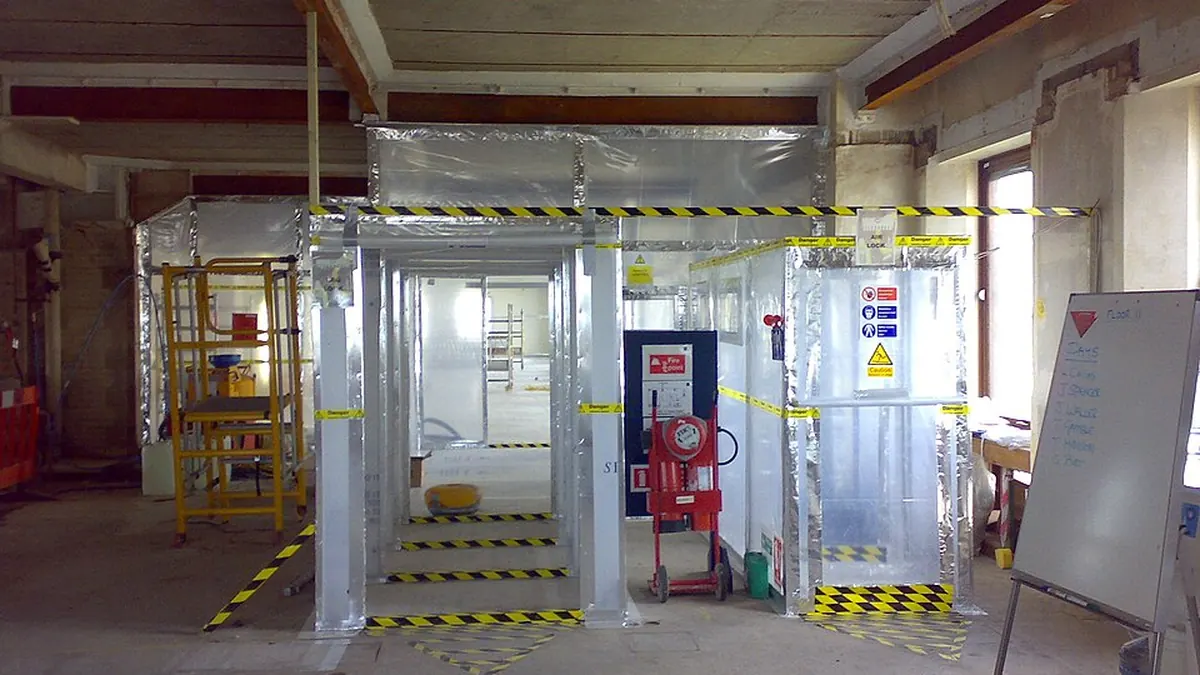
- Confirmed asbestos will be removed during renovation.
- Old insulation, ceiling texture, or flooring is damaged.
- A demolition project requires asbestos documentation.
- Commercial contractors need clearance before work continues.
- A property owner needs help resolving asbestos discovered during repair work.
Types of asbestos abatement approaches
Removal physically takes asbestos-containing material out of the property. Encapsulation coats or seals material when appropriate. Enclosure separates material from occupied areas. Cleanup addresses contamination or debris. Disposal handles regulated waste requirements. A qualified professional determines which option fits the specific situation.
Why abatement should be handled professionally
Asbestos abatement can involve containment, negative air controls, worker protection, wet methods, decontamination, specialized disposal, and clearance procedures. Improper work can create health risks, contaminate other parts of a property, and cause project delays. This is why regulated asbestos work should be performed by appropriate professionals.
Frequently asked questions about asbestos abatement
What is the difference between asbestos removal and abatement?
Removal is one type of abatement. Abatement can also include encapsulation, enclosure, cleanup, disposal, or other controls depending on the situation.
Do I need testing before abatement?
Testing is usually needed to confirm whether a material contains asbestos and to define the scope of work before abatement decisions are made.
Can asbestos be left in place?
Sometimes. If material is intact and will not be disturbed, management in place may be an option. Damaged or project-affected material may require a different approach.
Who should perform abatement?
Regulated asbestos abatement should be handled by appropriately qualified or licensed asbestos professionals.
Request asbestos abatement help
Compliance note: asbestos testing, inspection, removal, and abatement requirements vary by project and property type. Regulated asbestos work should be performed by appropriately qualified or licensed professionals. This site helps Davenport-area property owners request help and get routed to appropriate resources.
Abatement planning for renovation and demolition
Abatement planning is often time-sensitive because other parts of a project may be waiting on it. A remodeler may need clearance before demolition. A property manager may need safe access to an area. A building owner may need documentation before a larger project can move forward.
The more complex the project, the more important it is to define the abatement scope early. The provider may need to coordinate with demolition contractors, restoration companies, property managers, tenants, or inspectors. Good planning can reduce downtime and avoid repeated mobilization.
What makes abatement more complex?
- Friable or damaged material that can release dust more easily.
- Material located in occupied or hard-to-isolate areas.
- Large quantities of flooring, insulation, or ceiling material.
- Commercial, industrial, institutional, or multi-family properties.
- Demolition deadlines or contractor schedules.
- Unknown material history or incomplete testing.
Because abatement can affect safety, compliance, scheduling, and cost, the best next step is usually to gather project details and request qualified guidance before disturbing the material.
Abatement documentation and project confidence
One reason abatement matters is that it creates a clearer path for the rest of the project. When asbestos-containing material is handled properly, contractors and property owners can move forward with more confidence. Documentation can also help when a property is being sold, renovated, leased, repaired, or prepared for demolition.
Abatement planning should identify the material, the affected area, the work method, disposal considerations, and whether any follow-up inspection or clearance is appropriate. The details vary by project, but the principle is the same: define the risk before work continues.
For Davenport-area properties, this can be especially important in older residential neighborhoods, rental units, commercial spaces, and buildings with layers of past renovation. Materials may have been covered over rather than removed, so asbestos questions can appear when newer finishes are pulled back.
Abatement is part of risk management
Asbestos abatement is not just a construction task. It is risk management for the people using the property, the workers performing the project, and the owner responsible for the building. When asbestos is handled correctly, the rest of the project has a stronger foundation.
For a homeowner, that may mean avoiding unsafe cleanup after an accidental disturbance. For a landlord, it may mean protecting tenants and keeping repairs documented. For a commercial owner, it may mean keeping renovation or demolition work aligned with contractor and compliance expectations. In all cases, the first step is understanding what material is present and how it will be affected by the project.
If you are unsure whether you need abatement, explain the material, the test result if available, the property type, and the planned work. That information helps determine whether the issue is a testing question, an inspection question, or an abatement request.
Before making a decision, gather the basic facts: property age, material type, project scope, whether the material will be disturbed, and whether any testing has already been completed. Clear information helps the next professional give better guidance and keeps the project from turning into guesswork.
If abatement may be needed, start with facts rather than fear. A clear description of the material, location, condition, and planned work helps determine the safest next step.
When submitting an abatement request, include whether the project is residential, rental, commercial, or demolition-related. That context helps route the request toward the right level of professional review.
Early planning also helps reduce confusion between testing, cleanup, removal, and final project completion.
That clarity is valuable for owners, contractors, tenants, and anyone responsible for the property.
Nearby asbestos service areas
We help property owners request asbestos testing, inspection, removal, and abatement resources across Davenport and nearby Quad Cities communities.