Asbestos Removal in Davenport, IA
Asbestos removal in Davenport should be approached carefully. When asbestos-containing material will be disturbed, damaged, demolished, or removed, the work may need to be performed by trained and licensed asbestos abatement professionals. The safest path is usually to test first, understand the material, and then plan removal if needed.
Before planning removal, many Davenport property owners start with asbestos testing or an asbestos inspection. If removal is needed, an asbestos abatement plan can help determine containment, handling, and disposal steps.
Why testing comes before removal
Removing a material without knowing whether it contains asbestos can create unnecessary risk. It can also make a project more expensive if debris, dust, or surrounding areas become contaminated. Testing helps determine whether asbestos-specific controls are needed before anyone starts scraping, sanding, tearing out, or hauling material away.
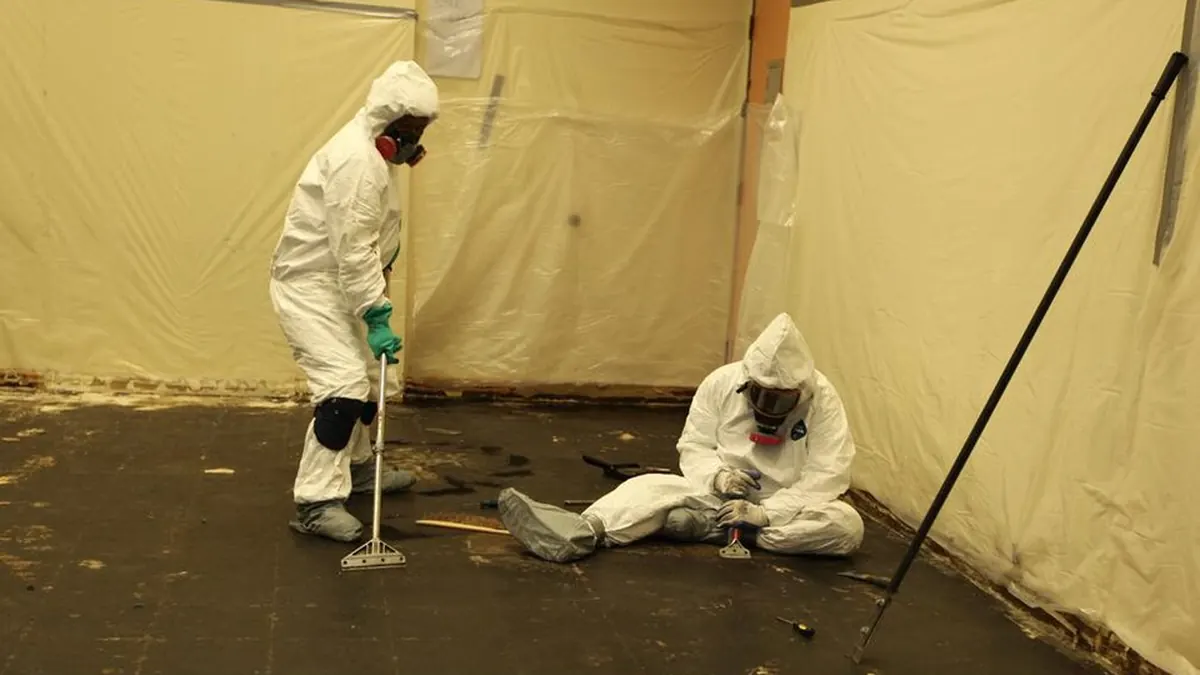
If a material tests negative, the project may proceed differently. If it tests positive, a qualified professional can explain containment, removal methods, disposal, cleanup, and whether abatement is required for the situation.
Common asbestos removal projects
- Old vinyl tile and black mastic removal.
- Popcorn ceiling and textured coating removal.
- Pipe wrap, boiler insulation, or duct insulation removal.
- Siding, roofing, or cement board material removal.
- Commercial renovation or tenant improvement abatement.
- Pre-demolition asbestos removal.
- Restoration work after water, fire, or storm damage.
Do not disturb suspect asbestos materials
If you think a material might contain asbestos, avoid dry scraping, sanding, cutting, grinding, sweeping debris, or using a normal household vacuum on dust. Disturbance can release fibers and make cleanup more complicated. Keep people away from damaged material and request testing or professional guidance.
Removal, encapsulation, or management in place
Removal is not always the only option. Some asbestos-containing materials can be managed in place if they are intact and will not be disturbed. Other materials may need encapsulation, enclosure, or full removal. The right option depends on the material, condition, location, and project goals.
For example, intact material hidden in a location that will not be touched may be handled differently from damaged material in an occupied area or material that must be removed for a renovation. That is why testing and professional assessment matter.
Frequently asked questions about asbestos removal
Can I remove asbestos myself?
Rules and risks vary by material, property type, and project. Because asbestos can affect safety and compliance, removal should be discussed with a qualified asbestos professional.
Is asbestos removal always required?
No. Some intact materials may be managed in place. Removal is more likely when the material is damaged, friable, or will be disturbed by renovation or demolition.
What should I do if I already disturbed suspect material?
Stop work, keep people away from the area, avoid sweeping or vacuuming, and request professional guidance. Testing and cleanup recommendations depend on the situation.
How do I start an asbestos removal request?
Start by describing the material, project, and whether testing has already been performed. If testing has not been done, that may be the first step.
Request asbestos removal guidance in Davenport
Compliance note: asbestos testing, inspection, removal, and abatement requirements vary by project and property type. Regulated asbestos work should be performed by appropriately qualified or licensed professionals. This site helps Davenport-area property owners request help and get routed to appropriate resources.
Planning removal after a positive test
If testing confirms asbestos, the next step is not always immediate removal. The decision depends on whether the material will be disturbed, whether it is damaged, and whether it is located in an occupied or high-use area. A qualified asbestos professional can explain whether removal, encapsulation, enclosure, or management in place is appropriate.
When removal is needed, planning matters. The provider may need to understand the size of the area, material type, access conditions, occupancy, schedule, containment needs, disposal requirements, and whether other contractors will be working nearby.
Information that helps with a removal request
- What material tested positive for asbestos?
- How much material is involved?
- Is the material intact, damaged, wet, dusty, or already disturbed?
- Is the property occupied?
- Is this connected to a renovation, sale, insurance claim, or demolition?
- Do you have lab results or inspection notes already?
Clear details help avoid a generic estimate and make it easier to identify the next responsible step.
Coordinating removal with other contractors
Asbestos removal often affects other trades. A flooring contractor may be waiting to install new material. A remodeler may be waiting to open walls. A demolition crew may need clearance before continuing. A property manager may need to notify tenants or coordinate access. Because of that, removal planning should happen as early as possible once asbestos is confirmed.
A good removal request explains both the material and the surrounding project. The provider needs to know what is being removed, how much material is involved, where it is located, whether the space is occupied, and what deadline the project is working toward. If lab results are available, they should be shared with the professional reviewing the request.
Property owners should also avoid cleaning up suspect debris on their own before getting advice. Sweeping, dry scraping, or using a normal vacuum can spread dust. If material has already been disturbed, the request should clearly explain what happened so the next step can be evaluated responsibly.
Removal cost and timing depend on the details
Property owners often want a quick price for asbestos removal, but reliable pricing depends on details: the material, amount, accessibility, condition, occupancy, containment needs, and disposal requirements. A small flooring area is different from widespread pipe insulation or commercial demolition preparation.
That is why a good request should include photos if available, testing results if already completed, square footage or approximate size, and the project deadline. Better information helps the right professional respond with a more useful next step.
Before making a decision, gather the basic facts: property age, material type, project scope, whether the material will be disturbed, and whether any testing has already been completed. Clear information helps the next professional give better guidance and keeps the project from turning into guesswork.
Do not begin removal based on assumptions. Confirm the material, document the project scope, and involve qualified help before disturbing suspect asbestos-containing material.
Nearby asbestos service areas
We help property owners request asbestos testing, inspection, removal, and abatement resources across Davenport and nearby Quad Cities communities.